


- Регистрация
- 17 Февраль 2018
- Сообщения
- 40 948
- Лучшие ответы
- 0
- Реакции
- 0
- Баллы
- 8 093
Offline
The last Trump official in the position left amid allegations of petty revenge.
Credit: Getty | Congressional Quarterly
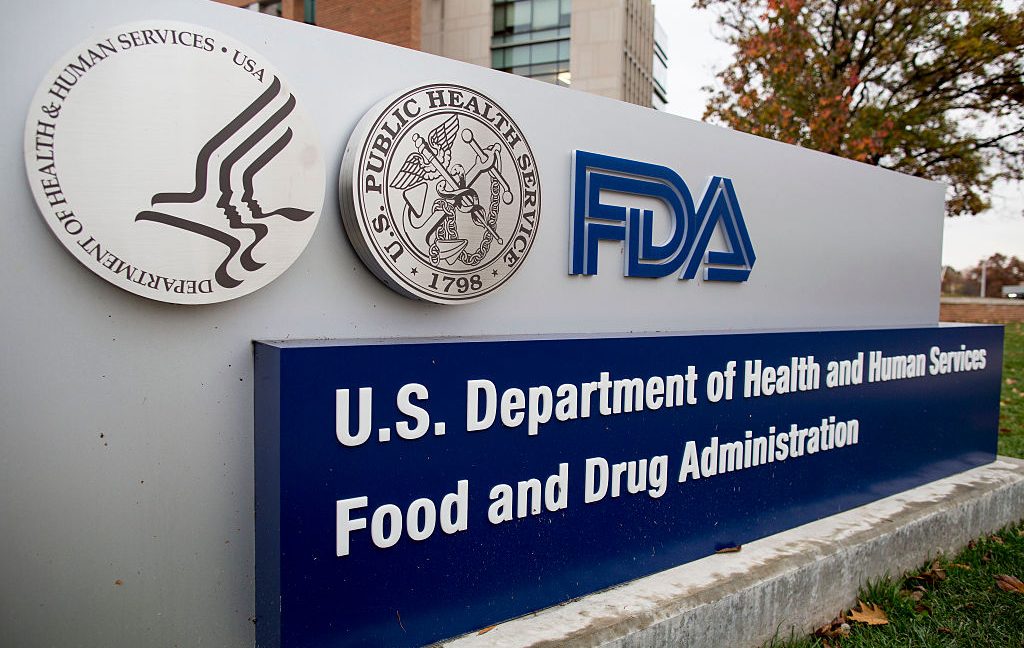
The top drug regulator at the Food and Drug Administration, Richard Pazdur, has decided to retire from the agency just three weeks after taking the leading position, according to multiple media outlets.
Pazdur, an oncologist who has worked at the FDA since 1999, was seen as a stabilizing force for an agency that has been mired in turmoil during the second Trump administration. He took over the role of leading the FDA’s Center for Drug Evaluation and Research on November 11, after the previous leader, George Tidmarsh, left the agency amid an investigation and a lawsuit regarding allegations that he used his position to exact petty revenge on a former business partner. In light of the scandal, one venture capital investor called the agency a “clown show.” Drug industry groups, meanwhile, called the FDA erratic and unpredictable.
Pazdur’s selection was seen as a positive sign by agency insiders, drug industry representatives, and patient advocacy groups, according to reporting by The Washington Post.
But things quickly soured. Just days on the job, Pazdur expressed deep concerns about the legality and public health risks of FDA Commissioner Marty Makary’s plans to overhaul and expedite agency operations. On November 21, the Post reported that Pazdur disagreed with Makary’s plans to reduce the number of studies needed to make drug-related decisions, such as label changes. Pazdur was further concerned that Makary’s plan to shorten drug review times was not sufficiently transparent and could be illegal. Pazdur also pushed back on Makary’s plan to exclude agency career scientists from some drug review processes deemed political priorities.
The immediate tensions led Pazdur to first consider retirement last month, according to the Post’s sources. He has now filed paperwork to retire at the end of this month, according to Stat News, which was first to report his planned departure. The outlet noted that he could still change his mind as the retirement plan is not finalized. But a source for the Post said such a reversal is unlikely.
“This is a very sad day for science and for patients,” Ellen Sigal, chairperson and founder of advocacy group Friends of Cancer Research, told the Post. “Rick was our guiding light and this loss is profound.”
Credit: Getty | Congressional Quarterly
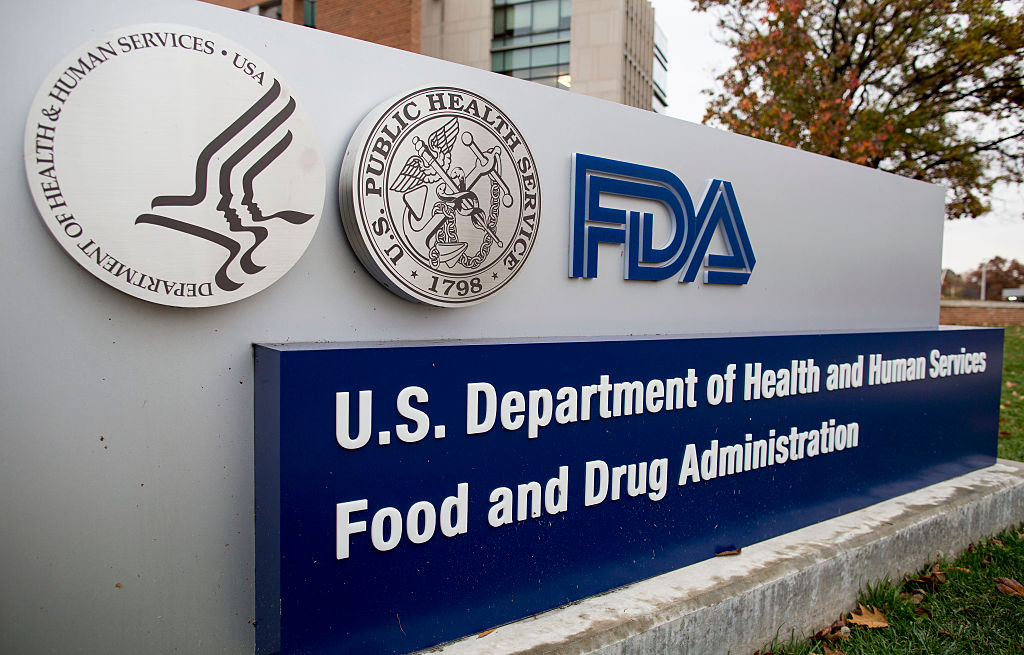
The top drug regulator at the Food and Drug Administration, Richard Pazdur, has decided to retire from the agency just three weeks after taking the leading position, according to multiple media outlets.
Pazdur, an oncologist who has worked at the FDA since 1999, was seen as a stabilizing force for an agency that has been mired in turmoil during the second Trump administration. He took over the role of leading the FDA’s Center for Drug Evaluation and Research on November 11, after the previous leader, George Tidmarsh, left the agency amid an investigation and a lawsuit regarding allegations that he used his position to exact petty revenge on a former business partner. In light of the scandal, one venture capital investor called the agency a “clown show.” Drug industry groups, meanwhile, called the FDA erratic and unpredictable.
Pazdur’s selection was seen as a positive sign by agency insiders, drug industry representatives, and patient advocacy groups, according to reporting by The Washington Post.
But things quickly soured. Just days on the job, Pazdur expressed deep concerns about the legality and public health risks of FDA Commissioner Marty Makary’s plans to overhaul and expedite agency operations. On November 21, the Post reported that Pazdur disagreed with Makary’s plans to reduce the number of studies needed to make drug-related decisions, such as label changes. Pazdur was further concerned that Makary’s plan to shorten drug review times was not sufficiently transparent and could be illegal. Pazdur also pushed back on Makary’s plan to exclude agency career scientists from some drug review processes deemed political priorities.
The immediate tensions led Pazdur to first consider retirement last month, according to the Post’s sources. He has now filed paperwork to retire at the end of this month, according to Stat News, which was first to report his planned departure. The outlet noted that he could still change his mind as the retirement plan is not finalized. But a source for the Post said such a reversal is unlikely.
“This is a very sad day for science and for patients,” Ellen Sigal, chairperson and founder of advocacy group Friends of Cancer Research, told the Post. “Rick was our guiding light and this loss is profound.”
